


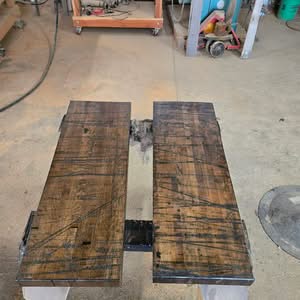
Floating shelves are more than just a storage solution; they are a design statement that brings warmth, history, and a touch of the outdoors into your home. At Reclaimed Enterprises, we believe that every piece of wood has a previous life worth celebrating. Whether you’re looking to add a rustic touch to a modern kitchen or a focal point to a minimalist living room, reclaimed wood floating shelves are a versatile and sustainable choice.
However, choosing the right shelves involves more than just picking a pretty piece of wood. From structural integrity to aesthetic matching, there’s a lot to consider. Here are 10 essential things you should know before investing in reclaimed wood furniture for your walls.
1. Solid Slab vs. Box Construction
One of the first decisions you’ll face is whether to go with a solid slab or box construction.
- Solid Slab Shelves: These are single, thick pieces of timber. They offer an authentic, heavy feel and showcase the wood’s grain through and through. Because they are dense, they require heavy-duty internal rods to support their weight.
- Box Shelves (Hollow): These are built using thinner reclaimed planks wrapped around an internal frame. They give the appearance of a thick, massive beam without the extreme weight. This construction allows for a more robust, full-length bracket system to be hidden inside the "box," often providing higher weight capacity for deeper shelves.
Expert Insight: If you’re looking for a shelf deeper than 10 inches, a box construction is often the smarter choice. It minimizes the rotational stress on your wall while still giving you that bold, chunky look.
2. Weight Capacity & Heavy-Duty Hardware
The "floating" look is achieved through hidden brackets. But don't let the name fool you: these shelves shouldn't just drift off the wall. The weight capacity depends almost entirely on the quality of the bracket and the installation.
Standard retail brackets often support only 15–30 lbs. For serious storage, we recommend heavy-duty steel brackets that mount directly into the studs. A properly installed shelf on two studs can often support upwards of 100–150 lbs. Always check the rating of your hardware before loading up that heavy collection of cast-iron pans.
3. Matching Wood Species with Your Decor
Not all salvaged wood lumber is created equal. The species of wood dictates the color, grain pattern, and hardness.
- Oak: Known for its prominent grain and durability. Great for high-traffic areas.
- Pine: Offers a softer, more rustic look with plenty of knots.
- Walnut: Provides a rich, dark hue that fits perfectly in luxury or mid-century modern spaces.
When matching existing decor, look at your flooring or largest furniture pieces. You don't need a perfect match: mixing wood tones is a 2026 trend: but you should aim for a similar "undertone" (warm vs. cool).

4. Live Edge vs. Clean Cut Aesthetics
The "edge" of your shelf defines its personality.
- Live Edge: This retains the natural curve and texture of the tree’s outer layer. It’s organic, irregular, and acts as a piece of functional art. If you love the look of a custom live edge bar top, a live edge floating shelf is its perfect vertical companion.
- Clean Cut: The wood is milled into a perfect rectangle. This is ideal for industrial or modern interiors where clean lines are preferred, but you still want the "soul" of reclaimed material.
5. Sealing and Maintenance
Unlike mass-produced shelves, repurposed wood furniture requires specific care to preserve its history.
- Finish: We typically use matte or satin finishes to keep the wood looking natural.
- Maintenance: Reclaimed wood can be more porous. For kitchen or bathroom shelves, ensure they are sealed with a water-resistant finish. For cleaning, a simple damp cloth is usually enough; avoid harsh chemicals that can strip the natural oils.
6. Installation: Finding Studs is Non-Negotiable
You cannot mount floating shelves into drywall alone using plastic anchors: they will sag or fall.
- Pro Tip: Use a high-quality stud finder to locate the center of your wall studs.
- The Hardware: Use lag bolts that penetrate at least 2 inches into the wood stud. If your shelf doesn't align perfectly with your studs, we can often custom-bore the holes in a solid slab to match your home’s specific layout.
7. Styling Ideas: Minimalist vs. Eclectic
How you style your shelves is just as important as the wood itself.
- Minimalist: Place one or two high-impact items (a single ceramic vase, a framed sketch) to let the wood grain be the star.
- Eclectic: Layer books horizontally and vertically, add trailing plants, and mix in small antiques. This works well for longer shelves where you want to create a "gallery" feel.
8. Mixing Materials (Wood meets Metal and Glass)
Reclaimed wood doesn't have to stand alone. Pairing a thick timber shelf with industrial metal accents can ground a room. For example, using blackened steel brackets that are purposely visible can add an "industrial-chic" vibe. Alternatively, placing glass jars on a weathered wood shelf creates a beautiful contrast between the smooth and the rugged.

9. Sourcing: Why Reclaimed is Better
Choosing reclaimed wood is a conscious choice for both character and the planet. New lumber often lacks the density and tight grain patterns of "old-growth" timber. By choosing salvaged materials, you are preventing perfectly good wood from ending up in a landfill and reducing the demand for new deforestation. It’s luxury that you can feel good about.
10. The Story Factor: Carrying History
Every shelf we sell at Reclaimed Enterprises has a story. We take materials from old barns, blighted houses, and even train box cars.
One of our favorite stories involves flooring salvaged from the original Creighton University gym. Imagine having a shelf in your office that was once part of a historic basketball court. That "story factor" is what transforms a house into a home. When guests ask about your shelves, you aren't just talking about a piece of wood: you’re sharing a piece of history.
Pro Tip: The Level Check
Walls are rarely perfectly flat. When installing your bracket, use a level, but also check the "lean." If your wall bows out, the shelf might look like it’s sagging even if the bracket is level. Small shims placed behind the bracket can correct this and ensure your shelf sits at a perfect 90-degree angle to the wall.
Ready to Add a Piece of History to Your Walls?
At Reclaimed Enterprises, we specialize in the difficult process of making "new from old." Whether you need a single mantel or a full set of kitchen floating shelves, we’re here to help you find the perfect piece of wood with the perfect story.
Explore our Custom Furniture options or visit us to see our latest live edge slabs in person. Let's build something unique together.