


Modern Barn Doors: 5 Ways to Use Reclaimed Wood Sliding Doors Beyond the Farmhouse
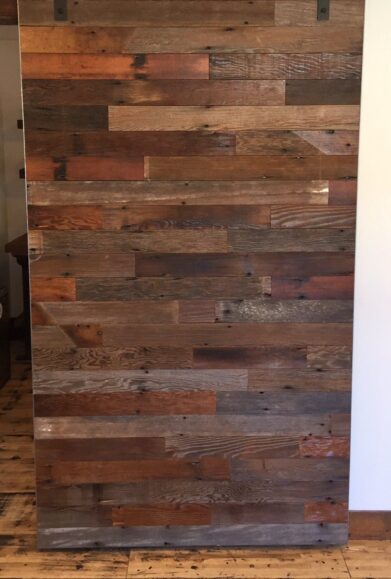


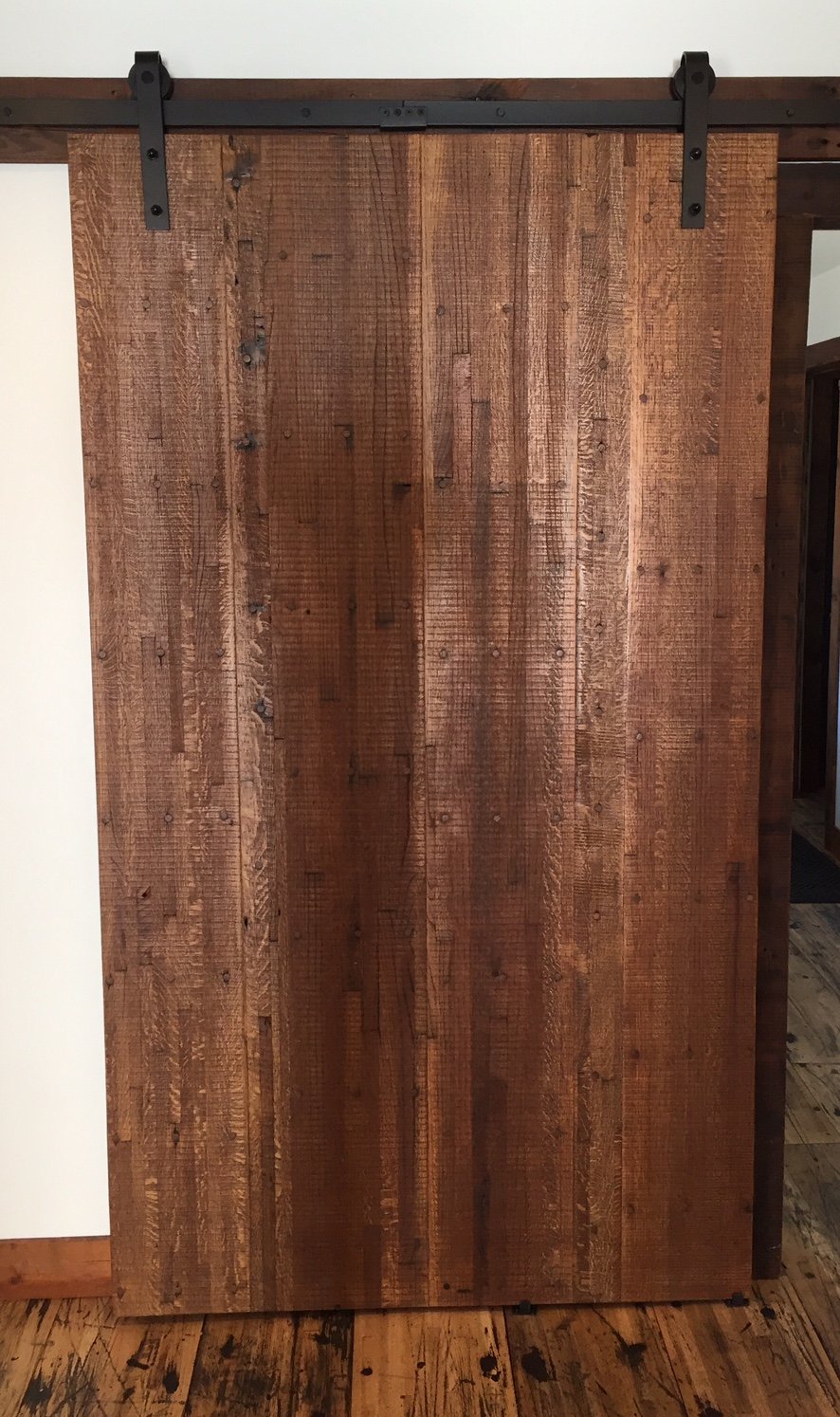


Barn doors have moved well beyond their farmhouse beginnings. In 2026, the most compelling reclaimed wood sliding doors are sleeker, more architectural, and designed to complement modern interiors rather than imitate a rural outbuilding.
The key is balance. Reclaimed wood brings warmth, texture, and history. Clean lines, refined finishes, contemporary hardware, and mixed materials keep the overall look current.
At Reclaimed Enterprises, we transform materials with a past life: including reclaimed wood, box car flooring, shipping container flooring, and live edge slabs: into doors built for today’s homes and commercial spaces. Every board carries evidence of where it has been, but thoughtful design determines where it goes next.
Here are five ways to use reclaimed wood sliding doors beyond rustic décor.
1. Pair Reclaimed Wood with Metal and Glass in an Industrial Loft
Reclaimed wood feels completely at home in an industrial loft, but it does not need to dominate the room. The most successful designs use the wood as one layer within a broader material palette.
Pair a clean reclaimed wood panel with:
- Slim black steel framing
- Matte black sliding hardware
- Clear, frosted, or reeded glass
- Exposed brick
- Concrete floors or countertops
- Simple architectural lighting
A wood-and-glass sliding door can separate a bedroom, conference room, dining area, or home office while allowing light to move through the space. Frosted or reeded glass adds privacy without making the room feel closed in.
For a more solid statement, choose a wide reclaimed wood panel with a simple horizontal or vertical grain pattern. Avoid excessive distressing or decorative braces if the goal is a contemporary appearance. Let the natural variation in the wood provide the visual interest.
2. Use a Clean, Matte Finish in Minimalist or Scandinavian Spaces
Minimalist and Scandinavian-inspired interiors depend on restraint. That does not mean they need to feel cold or overly uniform. A carefully selected reclaimed wood door can introduce the organic texture that makes a simple room feel comfortable and complete.
Choose a door with:
- Straightforward plank construction
- A low-sheen or matte finish
- Soft brown, weathered gray, or muted ochre tones
- Minimal visible hardware
- A simple slab or narrow-frame design
The goal is not to hide the wood’s character. It is to present that character in a composed way. Knots, old nail marks, and subtle color changes become details to notice rather than distractions.
A matte finish also works well with pale walls, light oak floors, wool textiles, linen upholstery, and simple black or brushed metal fixtures. The result feels warm and intentional without leaning into a traditional barn aesthetic.
This approach is particularly effective for a primary bedroom, bathroom entry, pantry, or home office. The door adds privacy and visual softness while maintaining the clean lines that define the surrounding space.
3. Create Flexible Room Dividers for Open-Concept Homes
Open-concept rooms offer flexibility, but they can also create practical challenges. A kitchen may need to connect with the living room during a gathering, then become visually quieter when work, cooking, or entertaining begins.
Large reclaimed wood sliding doors provide a flexible solution.
Use one or two panels to divide:
- A kitchen and dining area
- A living room and home office
- A primary bedroom and sitting area
- A media room and entertaining space
- A hallway and playroom
- A commercial lobby and private meeting area
Unlike a permanent wall, a sliding door gives the room two different configurations. Open, it keeps the space connected. Closed, it creates definition and privacy.
For larger openings, consider paired doors that meet in the center or slide toward opposite walls. A symmetrical installation can feel especially modern when the doors feature consistent plank layouts and streamlined hardware.
Scale is important. A door that is too small can look like an afterthought, while a generously sized panel can feel like part of the architecture. We can help determine the right proportions based on the opening, surrounding trim, ceiling height, and intended use.
Our reclaimed wood doors are made for both residential and commercial applications. Surface-mount doors can help divide a space without requiring the major construction involved in adding a new wall.
> Pro Tip: Before choosing a finish, look at the door from across the room. Reclaimed wood has close-up detail, but its overall color and proportion will determine how successfully it fits into the space.
4. Use Sliding Doors for Offices, Closets, and Compact Spaces
A reclaimed wood sliding door can solve a space problem while adding a custom architectural feature.
For a home office, it creates a clear boundary between work and living areas. When closed, it signals privacy and helps conceal visual distractions. When open, it allows the office to remain connected to the rest of the home.
For closets, pantries, laundry rooms, and utility spaces, sliding doors are useful where a hinged door would interfere with furniture, shelving, or circulation. A single panel can cover an opening without requiring swing clearance.
A barn-door-inspired design can also create the appearance of a pocket-door solution when paired with:
- A concealed or visually minimal track
- Wall-to-wall installation
- A full-height door panel
- Matching wall color around the opening
- Recessed or low-profile pulls
A true pocket door slides into a wall cavity, while a surface-mount door slides alongside the wall. Each option has different construction requirements. For remodels where opening a wall is not practical, a surface-mount reclaimed wood door can deliver a similarly streamlined visual effect with less disruption.
For offices and commercial interiors, consider using doors as part of a coordinated material story. A reclaimed door can connect with a wood reception desk, conference table, ceiling detail, or feature wall without making every surface look the same.
5. Mix Reclaimed Wood with Concrete, Smoked Glass, or Black Steel
The most forward-looking reclaimed wood doors often combine several materials. This makes the door feel less like a standalone rustic object and more like a custom piece of interior architecture.
Consider these combinations:
Reclaimed wood and smoked glass
Smoked glass adds depth and privacy while allowing light to pass through. It works well for offices, bedrooms, lounges, and commercial meeting rooms.
Reclaimed wood and black steel
Black steel provides a crisp outline around the natural irregularity of the wood. The pairing works particularly well in lofts, restaurants, retail spaces, and contemporary homes.
Reclaimed wood and concrete
Concrete brings a cool, grounded surface that makes warm wood tones feel richer. This combination is effective in kitchens, entryways, fireplaces, and commercial spaces.
Reclaimed wood and modern hardware
Brushed brass, stainless steel, and matte black hardware can each change the personality of the same door. The hardware should support the design rather than compete with the wood.
Designing a Reclaimed Door That Feels Modern
A modern reclaimed wood sliding door is not defined by a single style. It is defined by how deliberately the material, finish, hardware, and proportions work together.
Before beginning a project, consider:
- The door’s purpose: Is it dividing a room, hiding storage, adding privacy, or creating a visual focal point?
- The surrounding materials: Will it sit near glass, metal, concrete, painted cabinetry, or existing wood?
- The scale: Does the opening call for one panel, paired doors, or a full-height installation?
- The finish: Should the grain remain highly visible, or should the surface feel quieter and more uniform?
- The story: Would box car flooring, shipping container flooring, barn wood, or another salvaged material add meaning to the project?
The best reclaimed doors do more than close an opening. They connect a contemporary space to an older story. The marks left by previous use become part of the room’s identity, while the craftsmanship behind the finished door ensures it is ready for years of new use.
Bring Your Door Design to Life
Whether you are updating a home, specifying materials for a commercial project, or designing a flexible office, reclaimed wood sliding doors can offer the right combination of function, sustainability, and high-end character.
Explore the Reclaimed Enterprises Gallery for examples of our work, then contact us for a quote to discuss your opening, preferred materials, and design direction. We would be glad to help you give a piece of salvaged history a modern place in your space.
Contact Us Today for a FREE Quote
Have a Project? Contact Us for a Quote