


If you’ve spent any time scrolling through design blogs or architectural journals lately, you’ve likely bumped into the term biophilic design. It’s more than just a buzzword; with over 12,000 people searching for it every month, it has become a fundamental shift in how we think about the spaces we inhabit.
At its core, biophilic design is the practice of connecting people and nature within built environments. It’s an acknowledgment that as humans, we have an innate biological need to be near the natural world. In a time of digital burnout and urban congestion, bringing the outdoors in isn't just an aesthetic choice: it’s a wellness strategy.
At Reclaimed Enterprises, we believe that the most powerful way to achieve this connection isn’t through a few potted plants, but through the very bones of your home or office. By using materials with a past: like reclaimed barn wood and live-edge slabs: we help you create spaces that breathe, tell stories, and heal.
1. The Science of "Tactile Wellness"
Why does walking into a room filled with natural wood feel different than walking into a sterile, glass-and-steel office? It’s not just in your head. Research shows that environments rich in natural materials can reduce stress levels by up to 20%, lowering cortisol and improving focus.
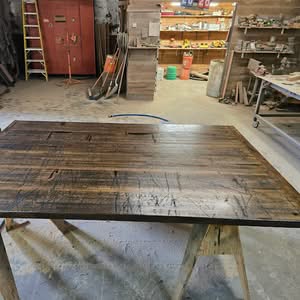
Biophilic design works through "indirect" nature connections. The visible grain, the knots, and the slight imperfections in a reclaimed wood mantel or tabletop mimic the patterns found in a forest. These "fractal patterns" are soothing to the human eye, providing a sense of visual comfort that mass-produced materials simply can’t replicate.
2. Materials with a Soul: The Reclaimed Edge
In 2026, the trend has moved away from "perfect" finishes toward material authenticity. We see homeowners and architects choosing materials that show the passage of time. This is where reclaimed wood truly shines.
When we salvage timber from old barns or industrial sites, we aren't just saving wood from a landfill; we are preserving a character that took 100 years to develop. This weathered patina provides a tactile richness that anchors a room. Whether it's a custom kitchen island or a featured accent wall, the history embedded in the wood creates an emotional grounding that new lumber lacks.
3. A Story Underfoot: The Creighton Gym Floor
One of our favorite examples of biophilic design is our collection of flooring from the original Creighton University gym.
Imagine a floor that isn't just a surface, but a witness to decades of history. By integrating this salvaged maple into a modern home, you aren't just adding a "wood element": you are weaving a narrative into your space. This sense of heritage and permanence is a key pillar of biophilia. It connects us to the timeline of the earth and our community, making our homes feel like a part of something larger.
Pro Tip: Start with a Focal Point
You don’t need to remodel your entire home to embrace biophilic design. Start with one "high-touch" area. A live-edge bar top or a single reclaimed wood dining table serves as a tactile anchor. When your hands touch the raw grain every morning, it provides a subtle, grounding "nature break" before you start your digital workday.
4. Sustainability as the Ultimate Luxury
Biophilic design and sustainability are two sides of the same coin. A space cannot truly be "nature-loving" if it harms the environment to exist.
By choosing reclaimed materials, you are participating in a circular economy. We take the difficult path of making "new from old": cleaning, de-nailing, and kiln-drying salvaged timber: so you get a high-quality product that is as kind to the planet as it is to your eyes. This intersection of conscious choice and high-end aesthetics is the hallmark of modern luxury.
5. Bringing Biophilia to the Office
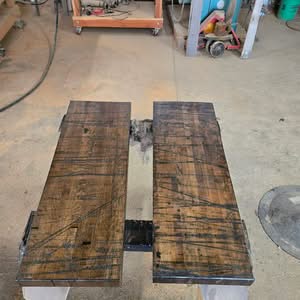
It’s not just for homes. We partner with interior designers and architects to bring these principles into the commercial world. In a boardroom, a custom-crafted industrial table doesn't just look impressive; it fosters a more collaborative, creative environment by reducing the "sterile pressure" of a corporate setting.
When your employees or clients are surrounded by warm, earth-rooted tones and natural textures, the atmosphere shifts from transactional to relational.
How to Get Started
If you’re ready to trade cold surfaces for the warmth of natural history, we’re here to help. Whether you’re a DIYer looking for raw materials or a homeowner looking for a "wow factor" fireplace mantel, our team handles the heavy lifting to ensure your piece is as durable as it is beautiful.
Our materials aren’t just products; they are characters with a past life, ready to start a new chapter in your space.
Ready to bring nature home? Explore our shop or contact us to start your custom project today.